
Running Kubernetes Locally with Minikube

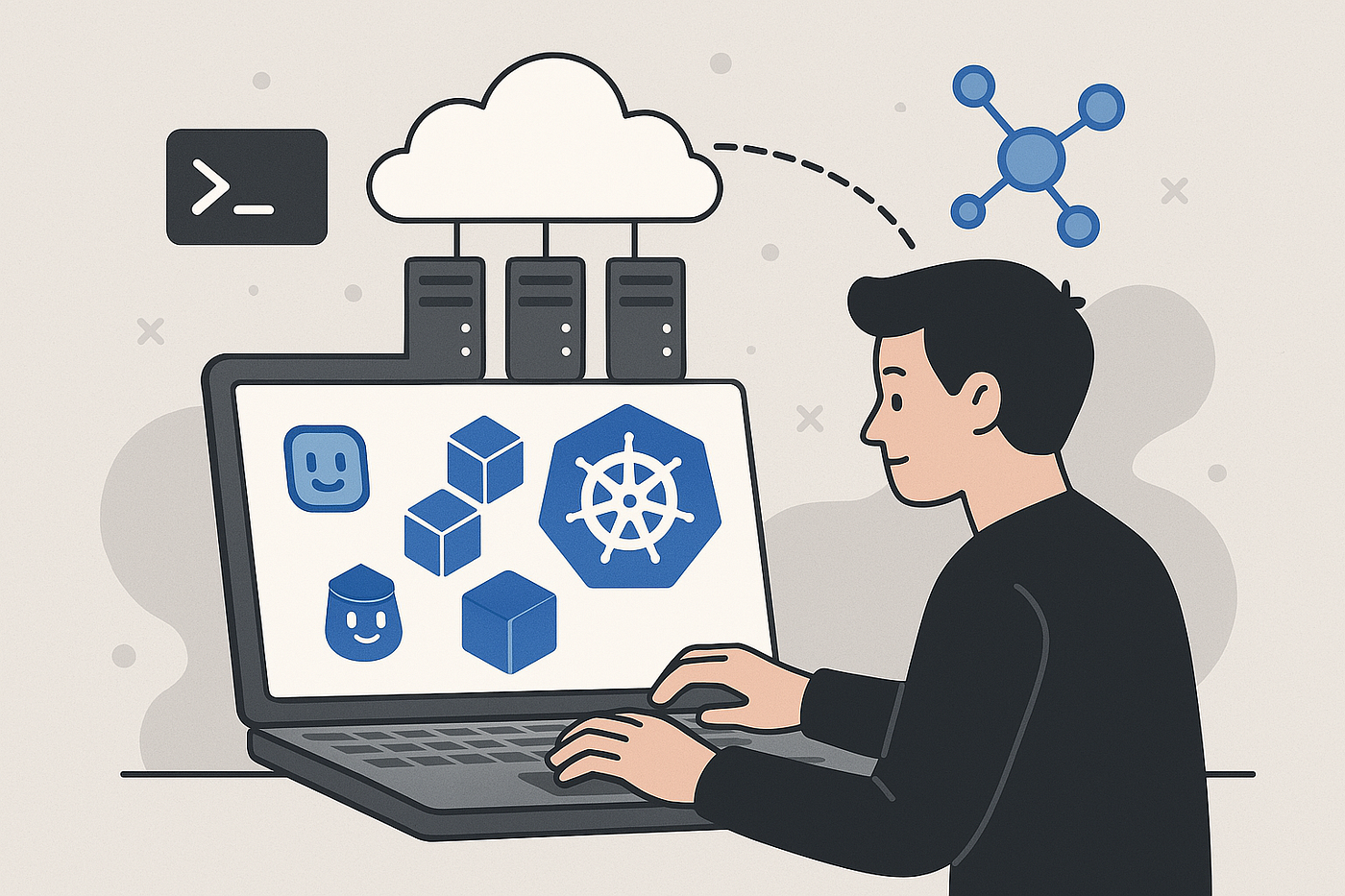
For beginners, the best way to learn Kubernetes is by running a cluster locally. This can be done using Minikube, which allows developers to run a single-node Kubernetes cluster on their laptop.
image

March 12, 2026, 4:36 p.m.

0

40 views

Running Kubernetes Locally with Minikube

For beginners, the best way to learn Kubernetes is by running a cluster locally. This can be done using Minikube, which allows developers to run a single-node Kubernetes cluster on their laptop.

https://miro.medium.com/v2/resize%3Afit%3A1400/1%2A_n8kd2cHjQx3Wq00Lk5D2Q.png


First, install Docker to run containers and install kubectl, the command-line tool used to communicate with Kubernetes clusters.
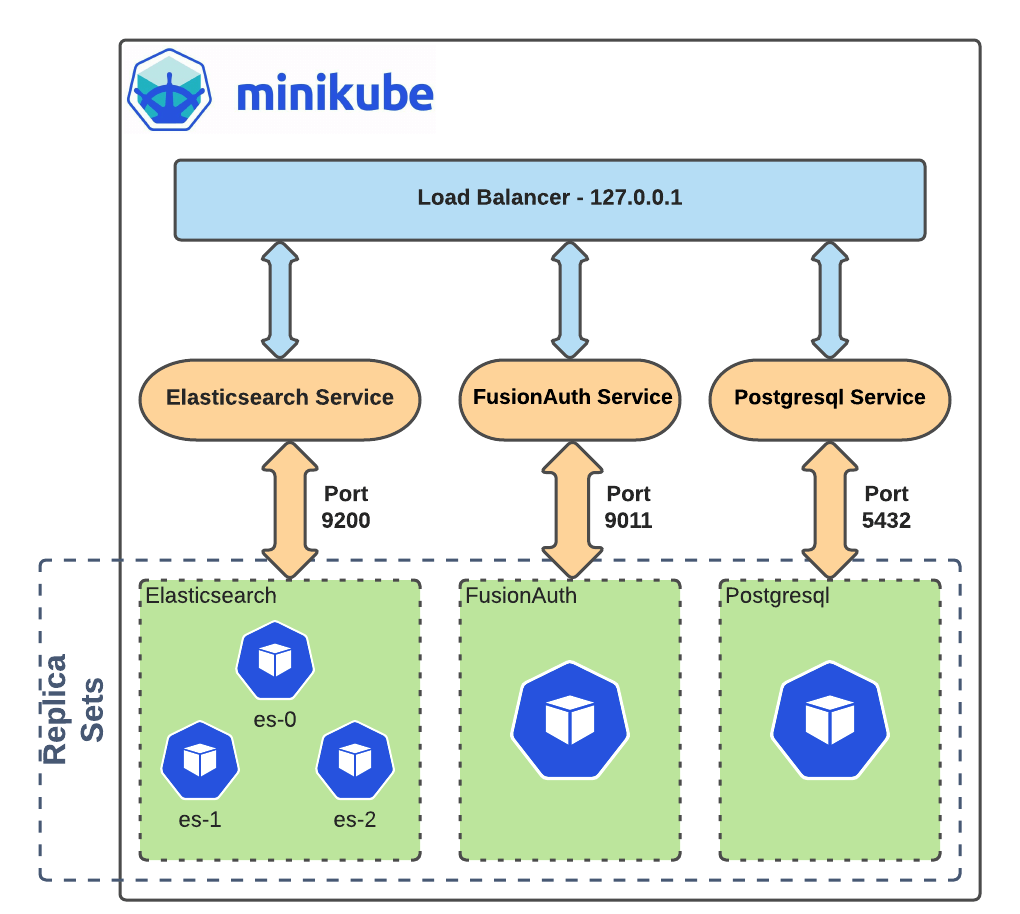
 

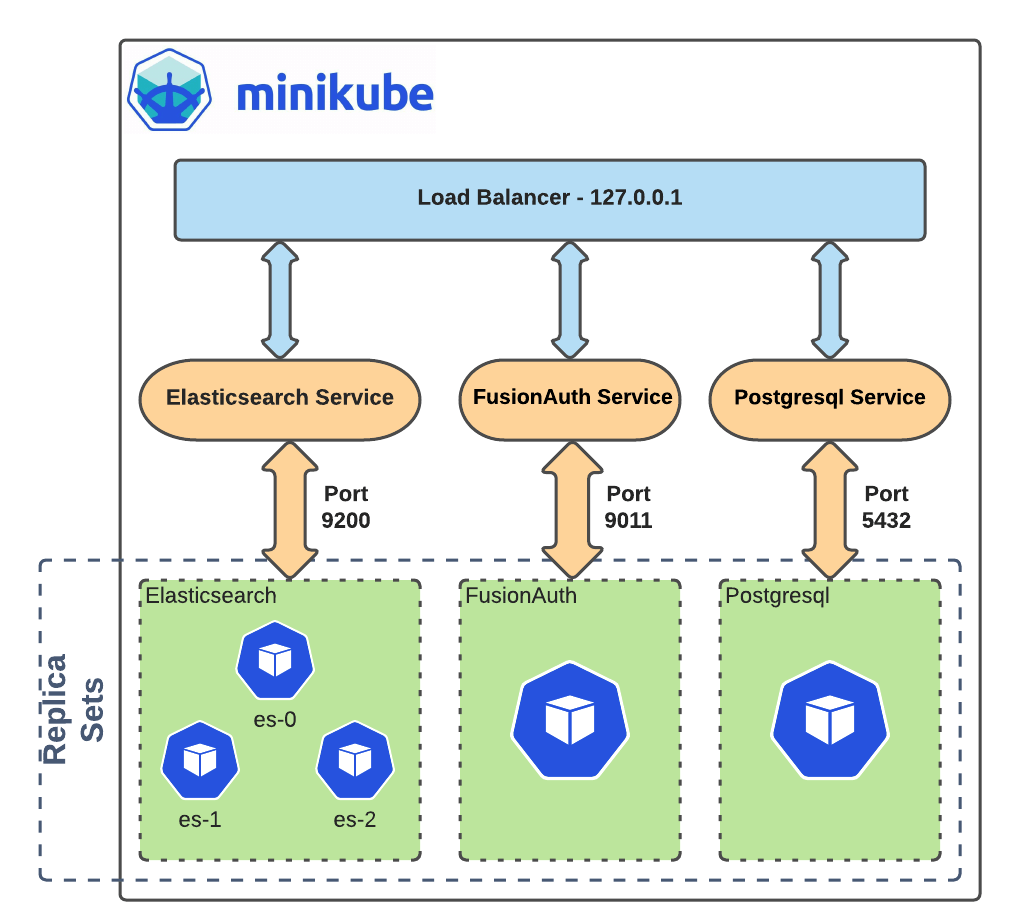
https://fusionauth.io/img/docs/get-started/download-and-install/kubernetes/fa-minikube.png


After installation, starting a cluster is as simple as running:

 
minikube start
 

This command creates a local Kubernetes cluster with a control plane and worker node. Once the cluster is running, developers can deploy applications.

For example, to deploy a web server using Nginx, run:

 
kubectl create deployment my-nginx --image=nginx
 

This command creates a deployment and launches a pod running the Nginx container.

To verify the pod is running:

 
kubectl get pods
 

Next, expose the deployment so it can receive traffic:

 
kubectl expose deployment my-nginx --type=NodePort --port=80
 

Finally, open the application in your browser:

 
minikube service my-nginx
 

This launches the Nginx welcome page and confirms your Kubernetes deployment works.

You can also scale the application easily. For example:

 
kubectl scale deployment my-nginx --replicas=5
 

Kubernetes instantly launches five pods running the same application, demonstrating how scalable the system is.
Explore to Conquer.

“CodeDevPay”
Share This Post

Join our newsletter!

Enter your email to receive our latest newsletter.

Don't worry, we don't spam

Comments


No comments yet. Be the first to comment.


Leave A Comment

You must be logged in to leave a comment.

Related Articles

March 12, 2026, 5:14 p.m.

Kubernetes in the DevOps Ecosystem

Kubernetes powers modern cloud infrastructure. Learning Kubernetes enables developers to build scalable, resilient applications and unlock careers in DevOps, cloud …

March 12, 2026, 12:31 p.m.

☸️ Kubernetes for Beginners: Hands-On Guide, Architecture, and DevOps Roadmap

Master Kubernetes from scratch with this beginner-friendly tutorial. Learn how Kubernetes works, understand cluster architecture, deploy your first containerized application …

Feb. 28, 2026, 10:47 a.m.

Understanding SQL GROUP BY: How Split-Apply-Combine Works Behind the Scenes

Learn how SQL GROUP BY works using the split-apply-combine process. A simple guide to grouped aggregation for better data analysis.

Sept. 24, 2025, 1:38 a.m.

Don't Be a PHP-ool or Flask in the Pan

Master Django for Web Development

Sept. 24, 2025, 1:37 a.m.

Why Are Tech Giants Falling for This Tiny Framework?

Discover why tech giants are embracing a surprisingly small web framework.

Sept. 24, 2025, 1:37 a.m.

7 Must-Do Pre-Coding Rituals for Every Web Developer

7 Essential Preparations Every Web Developer Should Make Before Opening Their Code Editor